


Building a healthy credit score in India relies on disciplined financial habits and understanding how banks and credit bureaus evaluate your profile. In the Indian banking context, consumers should focus on timely repayments, strategic usage of credit, and diversifying credit instruments to create and improve their CIBIL score or scores from other bureaus. Below is an SEO-focused article, tailored for Indian readers, demonstrating expert strategies to build your credit score, with all key points based on Indian banking and regulatory norms.
The idea of having a strong credit score is no longer reserved for the affluent or the financially savvy in India. Whether you want to buy a home, get a personal loan, or finance a vehicle, your credit score determines how easily and affordably you access funds. This comprehensive, human-style article unveils step-by-step actions on how to build credit score from scratch and nurture it over time, grounded in the latest insights from Indian banks and lending norms.
What is a Credit Score in India?
A credit score in India is a three-digit number ranging typically between 300 and 900, reflecting an individual’s creditworthiness. It is assigned by credit bureaus like CIBIL, Experian, Equifax, and CRIF High Mark. Banks and NBFCs use this score to decide whether to grant loans or credit cards and to determine the interest rates for products.
A score above 750 is considered excellent, and it can open doors to faster approvals and better financing offers. Scores below this mark attract scrutiny and higher rates, sometimes even outright rejection.
How to Build Credit Score in India: Step-by-Step
1. Pay EMIs and Credit Card Bills on Time
Timely payment history is the single strongest factor. Indian banks and bureaus look for regular, on-schedule repayment of EMIs (equated monthly instalments) on loans and credit cards. Missing payments or even being late once can drastically reduce your credit score and remain on your credit report for years.
2. Start with ‘Credit Builder’ Products
If you have no credit history, consider beginner-friendly options such as secured credit cards (against a fixed deposit), retail store credit, or small personal loans. These are easier to qualify for and reporting of timely payments quickly builds a positive profile.
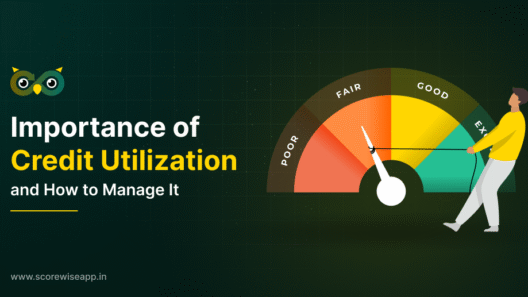
3. Maintain Low Credit Utilisation Ratio
This ratio is the percentage of credit you actually use compared to your total available limit. Ideally, keep it below 30% for credit cards and revolving facilities. A consistently high utilisation ratio indicates dependency and can reduce your score significantly.
4. Avoid Multiple Loan/Credit Applications
Every time you apply for credit, your bank will make a ‘hard inquiry’ visible on your report. Multiple applications in a short period suggest desperation to lenders. Space out credit applications prudently.
5. Diversify Your Credit Portfolio
A healthy mix of secured loans (like home or car loans) and unsecured credit (personal loans, credit cards) is viewed favourably by lenders as a sign of financial maturity. Avoid concentrating all borrowing on one product type.
6. Keep Old Credit Accounts Active
The longer your credit accounts remain open and in good standing, the more positive their impact. Don’t close old credit cards unless necessary; their history benefits your score by showing reliability over time.
7. Regularly Check Your Credit Report for Errors
Bureaus do make mistakes. Dispute any discrepancies, such as payments shown as outstanding or accounts that don’t belong to you. Checking your report every few months keeps your profile healthy.
8. Report Non-Traditional Payments
With newer innovations, you may be able to report rent payments or utility bills to credit bureaus using specialised services, helping you build credit without traditional loans or credit cards.
9. Become an Authorised User
If a family member has a long-standing, well-managed credit card, ask to be added as an authorised user. Their good history can reflect positively on your report, provided the issuer reports such activity.
10. Take Starter Loans and Repay On Time
Products like gold loans, consumer durable loans, or microfinance options can assist in building your initial score. But be disciplined with repayments to avoid negative entries.
Essential Habits for Maintaining a Good Credit Score
- Use automated bill pay for EMIs and credit cards.
- Avoid overleveraging, don’t borrow more than you can repay in routine.
- Keep a calendar or set reminders for every due date.
- Update your address and personal details at the bank and with bureaus.
Common Mistakes to Avoid
- Never ignore a missed payment, pay immediately and contact the bank if you couldn’t pay on time.
- Avoid closing your oldest credit account unless essential.
- Do not co-sign loans or act as guarantor for someone unless you are certain about their repayment capability, it can hurt your score if they default.sc
- Don’t max out cards or exceed your approved limits.
FAQs:
Q1: How quickly can I improve my credit score in India?
It usually takes three to six months to see noticeable changes if you consistently pay on time and keep utilisation low. Major improvements require persistent discipline and healthy account management.
Q2: What is the easiest way to start building credit if I am new to credit?
Get a secured credit card against a fixed deposit or take a small starter loan from a trusted NBFC or public sector bank. Make sure to pay dues punctually, and avoid taking multiple products at once.
Q3: Will checking my own credit report lower my score?
No. Regular self-checks are considered ‘soft inquiries’ and do not impact your score. In fact, it helps you spot errors or unknown loan accounts early.
Q4: Can rent and utility payments improve my score?
Yes, if you use reporting services that connect your rent and utility bill payments to major credit bureaus, these payments help build your profile. Confirm that your landlord or service provider participates before signing up.
Q5: What if I’ve made a payment late by mistake?
One-off late payments may not be catastrophic, but recurring delays are highly damaging. Repay missed EMIs promptly and maintain an otherwise clean history to recover your score over time.
Conclusion: Towards a Strong Credit Profile in India
Building a credit score in India demands steady effort: paying bills and EMIs on time, managing your credit portfolio prudently, and leveraging modern reporting solutions for non-traditional payments. Check your own credit score at least twice a year, dispute inaccuracies swiftly, and keep your older accounts active as long as possible. These habits will ensure you access the most attractive financial products, build long-term wealth, and maintain financial freedom.