


A good credit score is a crucial element in managing your financial health. It influences your ability to secure loans, credit cards, and even housing at favourable rates. If you’re wondering how to improve your credit score fast, this guide will provide clear, practical steps to help you boost your credit rating effectively and sustainably. Whether you’re rebuilding credit or aiming to maintain a strong profile, these insights are tailored for you.
Understanding Credit Scores and Their Importance
Your credit score is a numerical representation of your creditworthiness. In India, scores typically range from 300 to 900, with a score between 700 and 900 considered good. This score reflects how well you manage your debts and repayments over time and serves as a critical factor that lenders assess before approving credit.
A higher credit score not only enhances your chances of loan approval but can also secure you lower interest rates and better credit terms. In contrast, a low score could limit your financial options and often result in higher borrowing costs.
Practical Steps to Improve Credit Score Fast
1. Pay Bills Promptly and Consistently
One of the most significant factors impacting your credit score is your payment history. Timely payments of credit card bills, EMIs, and other dues demonstrate financial responsibility and reliability. Missing payments or delays can seriously damage your score.
Set up automated payments or reminders to ensure you never miss a due date. Even partial payments (such as the minimum amount due) can help avoid your account being reported as delinquent, though full payments are ideal for maintaining a strong score.
2. Manage Your Credit Utilisation Ratio
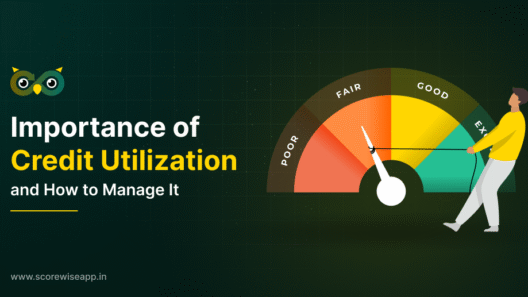
Credit utilisation is the percentage of your available credit limit you are currently using. Aim to keep this ratio below 30%, which signals to lenders that you are not overly dependent on credit.
If your balance is regularly high, consider paying down your credit card balances twice within a month or request an increase in your credit limit to lower the utilisation ratio without increasing spending.
3. Build and Maintain a Healthy Credit History
Having a longer credit history positively impacts your credit score. Keep older credit accounts active by occasionally using and paying off the cards to demonstrate ongoing credit management skills.
If you are just starting, consider acquiring a credit card with a manageable limit and make regular purchases, paying off the balance on time to build a positive credit history.
4. Avoid Multiple Credit Applications
Every time you apply for credit, a hard inquiry is made on your credit report, which may lower your score slightly. Multiple applications in a short span suggest financial distress to lenders.
Only apply for new credit when necessary, and when comparing offers, ask lenders for a ‘quotation search’ that doesn’t affect your credit report rather than a full credit application.
5. Regularly Review Your Credit Report
Errors or fraudulent activities on your credit report can unjustly damage your score. Obtain copies of your credit reports from relevant credit bureaus, review them carefully, and dispute any inaccuracies immediately.
Timely correction of mistakes can lead to notable improvements in your credit score over a short period.
Additional Tips to Sustain a Strong Credit Score
- Keep a healthy mix of credit types, such as credit cards, personal loans, and EMIs.
- Opt for longer loan tenures to manage repayments easily, but balance this against overall interest costs.
- Be cautious about acting as a guarantor; defaults by the primary payer can negatively affect your credit.
- Monitor your credit score regularly through credit bureau websites or financial service apps.
How Long Does It Take to Improve Your Credit Score?
Most credit score improvements occur gradually over 4 to 12 months with consistent financial behaviours such as on-time payments and reducing credit utilisation. Serious credit issues like defaults or bankruptcies may take a longer time to recover from, often between several years.
Persistence and responsible credit management are key to improving and maintaining a high credit score over time.
Frequently Asked Questions:
Q1: Can I improve my credit score quickly?
A: Yes, by paying down existing debt to lower your credit utilisation and ensuring all payments are on time, you can see noticeable improvements in a few months.
Q2: What’s the best way to reduce credit utilisation?
A: Pay off balances more frequently or request a credit limit increase while keeping your spending the same to lower your utilisation ratio.
Q3: How often should I check my credit report?
A: At least once a year, but more frequently if you’re actively working on improving your score or if you suspect errors.
Q4: Does closing old credit accounts help improve credit scores?
A: Generally, no. Keeping older accounts open helps lengthen your credit history, which can improve your score.
Q5: How do credit enquiries affect my score?
A: Hard enquiries can reduce your score slightly, especially if multiple occur in a short time. Soft enquiries, such as checking your own score, do not impact it.