
Applying for a credit card in India can often feel daunting if your credit history is limited or non-existent. But a CIBIL score is not a mandatory prerequisite anymore, thanks to evolving banking practices and new-age digital solutions. Whether you’re a student, a homemaker, or someone just starting out on your financial journey, this expert guide reveals how you can obtain a credit card without a CIBIL score – and use it responsibly to build your creditworthiness.
What Is a CIBIL Score, and Why Does It Matter?
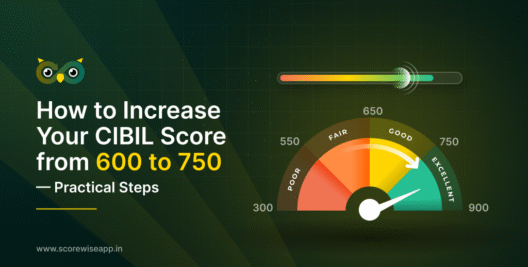
A CIBIL score is a three-digit number (300–900) that reflects your repayment behaviour and creditworthiness. Banks and lenders in India typically use this score to assess risk when granting loans or credit cards. Over 80% of credit card approvals go to applicants with scores above 750. However, a blank or low credit score doesn’t mean you’re forever denied access to credit products.
Credit Card Options Without CIBIL Score
Multiple pathways now allow you to secure a credit card without prior credit history in India. Here are the most effective options.
Secured Credit Cards
Secured credit cards are issued against a fixed deposit (FD), making them among the easiest to obtain if you have no CIBIL score. The FD acts as collateral, so the bank’s risk is lower, and approval rates are very high. You may start with an FD ranging from ₹10,000 to ₹25,000.
- Major banks like SBI, ICICI, Axis, HDFC, and Bank of Baroda offer secured cards.
- Typical credit limits range from 75% to 90% of the FD amount.
- Timely repayment helps you build a strong credit profile.
Popular secured credit card options:
| Bank | Minimum FD | Annual Fee | Highlights |
| SBI Unnati | ₹25,000 | Free (4 yrs) | Global use, ideal for beginners |
| ICICI Coral (Secured) | ₹20,000 | Nil | Rewards, lounge access |
| Axis Insta Simple | ₹20,000 | Nil | EMV chip, instant branch issue |
| HDFC MoneyBack Secured | ₹10,000 | Waived | Cashback, online discounts |
| BoB Prime | ₹15,000 | Nil | Reward points, global, insurance |
Add-On Credit Cards
If a family member has an established credit history, you can become an add-on cardholder. The primary cardholder carries the repayment responsibility while you build experience in using credit. This model is ideal for students and homemakers.
Salary Account-Based Offers
Banks routinely offer credit cards to salaried individuals with stable salary credits – even if they lack a prior credit history. Continuity of income and employer reputation are often key approval factors. Opt for the bank where you have a longstanding salary account for best results.
Fintech & Pre-Approved Digital Cards
Fintech companies now extend credit cards based on digital payment patterns (like UPI usage) or account activity, making these cards highly accessible even to first-timers. Many fintech offerings come with attractive perks, and approval does not hinge on CIBIL scores.
Credit Cards Without Income Proof
Several issuers accept alternative documentation, such as reliable bank statements, rent receipts, or digital payment evidence, instead of salary slips or ITR. Some also extend credit cards against insurance policies or mutual funds.
Minimum CIBIL Score Requirements
Although premium credit cards generally require 750+, mid-tier cards accept 700–749, and entry-level unsecured cards may permit applicants with scores as low as 650. However, secured credit cards typically do not require a CIBIL score at all, hence their popularity among new borrowers.
Practical Application Tips
- Maintain a healthy bank balance and consistent salary credits.
- Apply with your existing bank for a streamlined process.
- Avoid submitting multiple applications simultaneously.
- Choose secured or co-branded cards if uncertain.
- Monitor your credit report regularly for errors.
Building Credit History After Approval
Once you’ve obtained your credit card, use the following strategies to construct a strong CIBIL score:
- Make timely payments and clear balances in full.
- Limit utilisation to below 30% of your available credit.
- Keep a watch on your CIBIL report – raise any disputes promptly.
- Retain older credit accounts, even if not actively in use.
With disciplined usage, your score can ascend to over 700 in six to twelve months, unlocking access to premium credit products.
Secured vs Unsecured Credit Cards
| Feature | Secured Credit Card (FD-based) | Unsecured Credit Card |
| Collateral Required | Yes (Fixed Deposit) | No |
| Eligibility | Very Low | Moderate–High (CIBIL) |
| Credit Limit | Based on FD | Based on income & credit score |
| Ideal For | Beginners, no credit score | Experienced borrowers |
Top Credit Card Products for No CIBIL Score Applicants
- Airtel Axis Bank Credit Card: Up to 25% cashback on Airtel services, 10% cashback on utility bills, complimentary lounge access, and a low annual fee waived on large spends.
- IDFC FIRST WOW! Credit Card: Premium features like zero forex charges, reward points, EMI, UPI compatibility, travel and dining offers, lifetime free; issued as a secured card for people with no credit history.
- SBI Unnati/ICICI Coral/Axis Insta Simple: Secured cards with accessible FD limits and entry-level perks, ideal for building credit safely.
Benefits of Credit Cards Without a CIBIL Score
- Emergency access to funds, both domestic and international.
- Opportunities to earn rewards, cashback, and travel perks.
- Protection against overspending through manageable credit limits.
- A convenient way to establish and build your creditworthiness.
FAQ
1. Can I get a credit card without a CIBIL score?
Yes. Options like secured cards, salary-account-linked products, fintech cards, and add-on cards are available for beginners and those with no credit history.
2. What is the minimum fixed deposit for a secured credit card?
Most banks require a fixed deposit of ₹10,000 to ₹25,000, depending on their specific card offerings.
3. Do add-on or supplementary cards require a CIBIL score?
No. The responsibility for repayment lies with the primary cardholder, making it accessible to students and homemakers who may lack their own credit profiles.
4. How soon can I build my CIBIL score after getting my first card?
Disciplined use—timely repayments, low utilisation, and proper record-keeping—can help you attain a score over 700 within six to twelve months.
5. Do secured credit cards attract higher interest rates?
No. As long as payments are made on time, banks typically do not levy interest on secured credit cards. If payments are delayed, interest rates can range from 4% to 8% per annum, and collateral (FD) may be used to recover dues.
Conclusion: Unlocking Financial Potential
Not having a CIBIL score should not keep you from benefiting from modern financial products. Secured cards, fintech innovations, and relationship-based banking have made credit easy to access for all categories of consumers in India. By starting small and practising responsible usage, you can build a robust credit history and take full advantage of the modern credit ecosystem.
Note: Always review the latest terms and offerings with your chosen bank or provider, as products and eligibility criteria may change over time.